29 May
30 May
31 May
1 Jun
2 Jun
3 Jun
4 Jun
5 Jun
6 Jun
7 Jun
8 Jun
9 Jun
10 Jun
Teleshopping Feature. Your one-stop-shop for all things cruise; the hottest destinations, groundbreaking ships and the latest deals to ensure your next cruise is your greatest one.
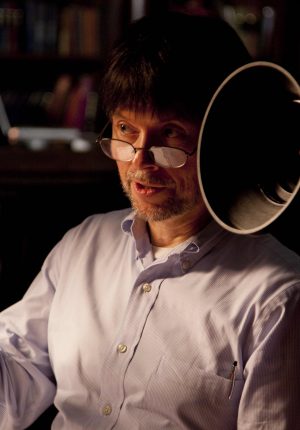
Enjoy a rare look at the intimate relationship between award-winning filmmaker Ken Burns, his America and his beloved community of Walpole, New Hampshire over more than four decades. He reminds us that taking 'the road less travelled' is a good decision - and highlights the importance of a sense of place and belonging in one’s life. Ⓢ
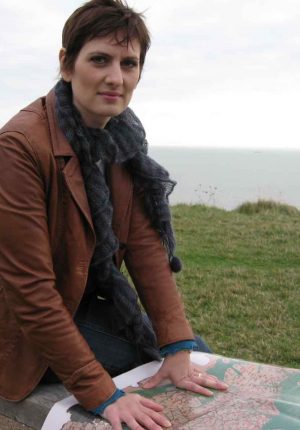
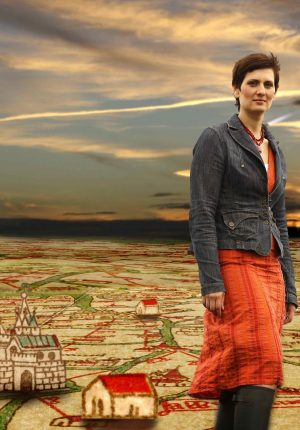
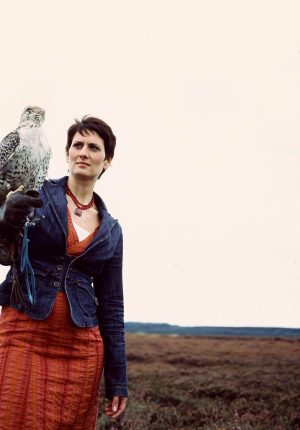
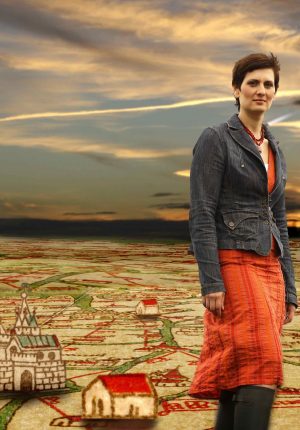
Medieval art historian Dr Alixe Bovey embarks on a historical journey around the country using the oldest surviving road map of Great Britain - the Gough Map. In the first episode, she follows the trail north from York to the hotly-contested Scottish border. Part 1 of 6. Ⓢ
Medieval art historian Dr Alixe Bovey continues her historical journey around the country using the oldest surviving road map of Great Britain - the Gough Map. Here, she heads west from Gloucester to Wales in the footsteps of Edward I's armies, uncovering evidence of a medieval arms race. Part 2 of 6. Ⓢ
Medieval art historian Dr Alixe Bovey continues her historical journey around the country using the oldest surviving road map of Great Britain - the Gough Map. Here, she follows the ancient pilgrim trail from the east coast to London. Part 3 of 6. Ⓢ
Medieval art historian Dr Alixe Bovey continues her historical journey around the country using the oldest surviving road map of Great Britain - the Gough Map. Here, she explores the origins of both common law and the modern parliamentary system. Part 4 of 6. Ⓢ
Dr Alixe Bovey explores the most mysterious region on the Gough Map - Scotland: a nation still in its infancy when the document was produced in the 14th century, and so young it still has no capital. Part 5 of 6. Ⓢ
In the West Country, Dr Alixe Bovey explores the myths and legends depicted on the oldest surviving road map of Great Britain - the Gough Map. Part 6 of 6. Ⓢ
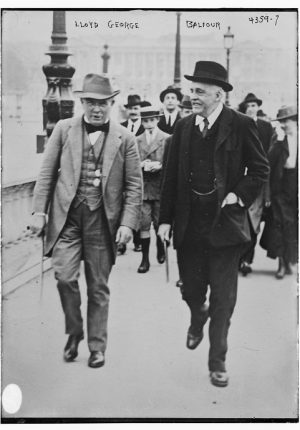
Having been dominated by the defeated empires of Russia, Germany and Austro-Hungary, the peoples of Eastern Europe had hoped for self-determination at the end of WWI. But it soon unfolded that armed conflict did not cease. Poland fought against Russia, while chaos prevailed in the Baltic States as well. Part 1 of 2.
With the outbreak of WWI, the Ottoman Empire joins forces with the Central Powers of Germany and Austro-Hungary and fights mainly against the British Empire. The Allies persuade the Arabs to rise up against the Ottomans. In return they are promised their own kingdom.The Treaty of Sèvres sealed the fate of the Ottomans following WWI. But the victorious powers no longer feel bound by the agreements they made. Part 2 of 2.
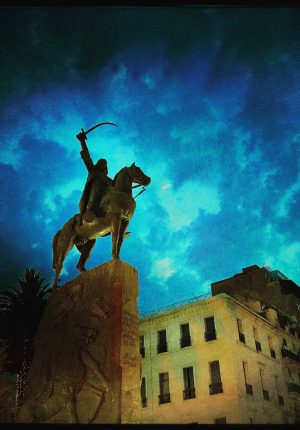
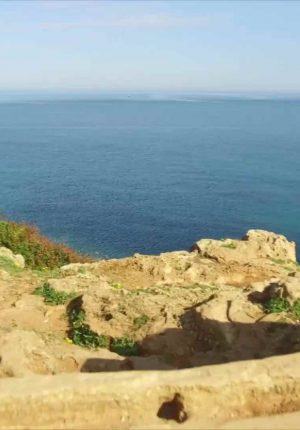
Exploring the capital, Algiers: its architecture, both French and Neo-Mauresque, as epitomised by the glorious Grande Poste post office building; its outstanding mosques and occasional churches. Local Algerois Djihad Mahamdi tours the Tuareg-inspired Cathedral of Sacre Coeur while fellow guide Nehad Benz explores the Ottoman-refined Casbah which is awash with pretty fountains and sumptuous palaces. A day trip to Tipasa shows glimpses of a wealthy Roman life in North Africa while back in the Casbah, historian Boualem Benamirouche retraces the steps of the infamous Battle of Algiers, which turned the tide of war of independence. Tales of the great Algerian writer Albert Camus are regaled at the Tantonville café and we listen to the sounds of Chaabi music from renowned singer Noureddine Alane. The programme ends with a celebratory supper at a traditional Algerian restaurant. Part 1 of 3.
This second episode explores the coastal and hinterland cities built by a prosperous Mediterranean trade dating back to Phoenician sailors. In Oran, resident Zaki Souffi goes shopping in the Jedida market. He visits the home of the city’s most eminent émigré, Yves Saint Laurent and has a local snack of karantika. He tours the old Bey palace before climbing the Mountain of Lions for a nose around Fort Santa Cruz, an impregnable Spanish fortress during its war with the Ottoman Empire. Tlemcen boasts the wonders of the Mechouar Palace while historian Amina Miri Hana tours the fortress city of El Mansourah. Climbing over the Aures mountains, we behold the sprawling Roman settlement of Timgad in Batna before arriving at Constantine, an ancient Numidian city perched on a rocky outcrop that overlooks the Rhumel Gorge. Part 2 of 3.
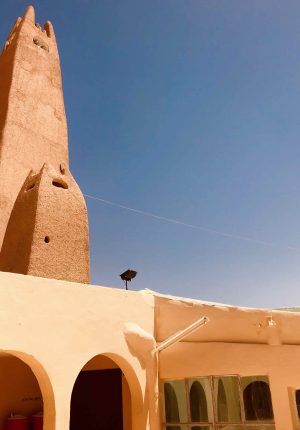
The third chapter of this Algerian odyssey is a travelogue that covers over 1200 miles, from the ‘Door of the Sahara’ in the ancient Berber settlement of Ghouffi to Assekrem, which literally means ‘the end of the world’, situated in the southernmost point of Algeria’s Sahara. The great desert is an arid but varied landscape where cultures, religious and nomadic, have adapted to the unforgiving climate over thousands of years. We tour the Berber castles of Timimoun and the circular Mozabite cities of the Mzab valley. We learn about Islam’s ancient sect, the Ibadi, who have sought eternal refuge in the desert. We visit the Touaregs of Tamanrasset and hear the sweet music of the Imzad instrument, rounding off with the incredible story of Charles de Foucauld, a foreign legion officer who found God in the volcanic mountains of the Ahoggar. Part 3 of 3.
Looking at the ever-present challenges presented by competing for food, mating rights or territory. The competitive spirit is shown in the hunt, the competition between predator and prey. Part 7 of 12.