31 May
1 Jun
2 Jun
3 Jun
4 Jun
5 Jun
6 Jun
7 Jun
8 Jun
9 Jun
10 Jun
11 Jun
12 Jun
On the final grand tour of the series Paul Murton goes over the sea to Skye to visit the home of celebrated writer and naturalist Gavin Maxwell, before scaling the famous Cuillin mountain, Am Bastier. Part 6 of 6.
This first episode, which begins with Hitler's arrival in power in 1933, goes back to the roots of the indoctrination of young German girls within the female branch of the Hitler Youth (BDM). Part 1 of 2.
In 1942, a new phase of the genocide took place: the 'Final Solution'. Women, far from being mere witnesses or accomplices, played a role as important as it was deadly. Part 2 of 2.
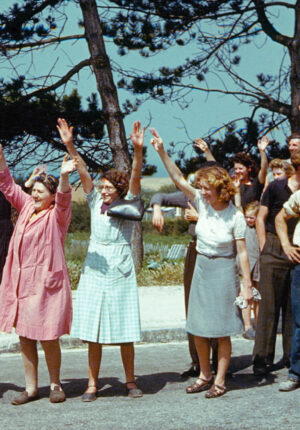
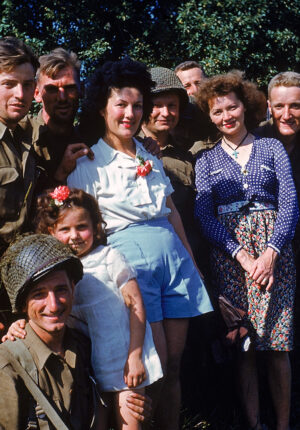
Summer 1944. In France, D-Day marked the end of dark times. Aspiring to a better future, the French rolled up their sleeves and set about rebuilding the country. But in post-war France, hopes and reality would yet collide. Part 1 of 2.
Summer 1944. In France, D-Day marked the end of dark times. Aspiring to a better future, the French rolled up their sleeves and set about rebuilding the country. But in post-war France, hopes and reality would yet collide. Part 2 of 2.
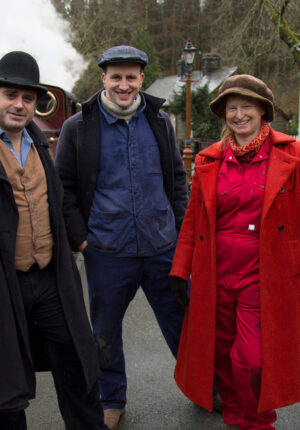
Historians Ruth Goodman, Alex Langlands and Peter Ginn explore how the introduction of steam railways in the early 19th century changed Britain. Part 1 of 6.
Series exploring the expansion of railways in the Victorian era. This episode looks at how railways began to move people, rather than just goods, around the country. Part 2 of 6.
Series exploring the expansion of railways in the Victorian era. Ruth Goodman, Alex Langlands and Peter Ginn find out how railways transformed the British diet. Part 3 of 6.
Historian Jonathan Petropoulos investigates the life of former Nazi art dealer Bruno Lohse, Hermann Göring’s collector of works stolen from Jews. After the war, he went on to become an important dealer, often trading in looted art. Part 1 of 2.