11 May
12 May
13 May
14 May
15 May
16 May
17 May
18 May
19 May
20 May
21 May
22 May
23 May
Anne Boleyn's sudden and violent downfall has captivated and fiercely divided historians, writers and amateur enthusiasts for centuries, thanks to its intoxicating elements of romance, power, sex, religion and political intrigue. But who was she really, and why did she have to go? This fascinating drama documentary examines the terrific controversy at the heart of her story. From Anne's arrest to her death on the scaffold, the film combines dramatic reconstruction with argumentative contributions from highly respected commentators - including Hilary Mantel, David Starkey, Philippa Gregory and Alison Weir, who all have their own distinctive take on Anne's fate. Loved and hated, scorned and respected in equal measure, how much was Anne Boleyn an agent of her own destruction and how much a casualty of the stark sexual politics of the Tudor court?
Brighton's Royal Pavilion was originally a beach house transformed into a wonder palace. Part 5 of 8.
A gap in succession made way for George I of Hanover to refurbish Kensington Palace. Part 6 of 8.
London's lost royal palace Whitehall is destroyed, but the remnants remain. Part 7 of 8.
Exploring the headquarters of the royal family – one of our most recognisable palaces. Part 8 of 8.
This three-part series argues that the Stuarts, more than any other, were Britain's defining royal family. We tend to take today's modern United Kingdom for granted, but there was nothing inevitable about its creation. During the 17th century, the Stuarts grappled with the chaos of three separate kingdoms, multiple religions and civil war. Britain has not known a century like it and some of the questions this dynasty faced have not gone away. In this first episode, Clare Jackson looks at James VI and I's attempts to unite Scotland and England under the umbrella of his crown and persuade his subjects to feel more 'British'. Part 1 of 3.
This three-part series argues that the Stuarts, more than any other, were Britain's defining royal family. We tend to take today's modern United Kingdom for granted, but there was nothing inevitable about its creation. During the 17th century, the Stuarts grappled with the chaos of three separate kingdoms, multiple religions and civil war. Britain has not known a century like it and some of the questions this dynasty faced have not gone away. This second episode explores Charles I’s failure to understand the inherent religious instabilities across the three kingdoms, and how these differences in Britain led to civil war and his own execution. Part 2 of 3.
The final, dramatic act of the Stuart century saw the Stuarts fatally divided by religion: brother versus brother, and two daughters supporting the overthrow of their father. After Charles II's brother, the Catholic James VII and II, was deposed by protestant William of Orange in 1688, Britain became a constitutional monarchy. However, the so-called 1688 'Glorious Revolution' came at a price, as Scotland lost her sovereignty and became part of Great Britain in 1707, whilst Ireland had been reduced from a kingdom to a colony. The politics of resentment has continued to trouble Ireland until the present day. Part 3 of 3.
In the 1950s, Havana shines as a vibrant metropolis—alive with music, casinos, and cabarets. However, beneath the allure lies a city controlled by the American mafia, where luxury contrasts sharply with the poverty endured by most Cubans. U.S. tourists escape Prohibition and moral restrictions back home. Icons like Ernest Hemingway, Frank Sinatra, and Ava Gardner revel in the city’s rhythms, frequenting hotspots like the Hotel Nacional and the Tropicana nightclub. Yet beneath the surface, corruption and oppression grip Cuba.
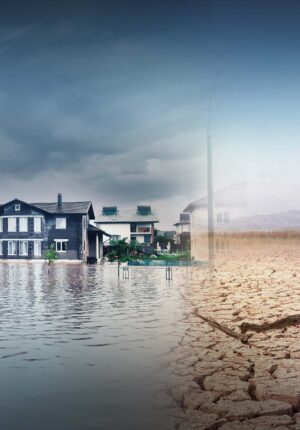
Maiya May journeys across the United States to explore climate tipping points. Discover how critical our climate systems are for our planet’s stability, and learn the science behind these changes and how to protect our planet’s future. Part 1 of 6.