1 Apr
2 Apr
3 Apr
4 Apr
5 Apr
6 Apr
7 Apr
8 Apr
9 Apr
10 Apr
11 Apr
12 Apr
13 Apr
Shopping with TJC
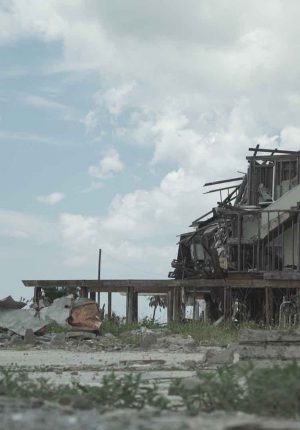
Warmer weather makes storms more volatile and unpredictable, causing sudden downburst thunderstorms, giant, destructive hail and random lightning strikes on a sunny day. As global temperatures rise, deadly rogue storm events are becoming more frequent and more widespread, including an increase in thunderstorms in the north. This episode follows the stories of witnesses and survivors of terrifying lightning strikes. Part 6 of 10.
As the atmosphere warms, tornados are appearing in places not accustomed to this deadly phenomenon, including more densely populated areas. Tornadoes are no longer contained in Tornado Alley. They are also becoming more deadly as tornado clusters are growing. This episode follows the stories of storm chasers who’ve had to run for the lives and survivors of some of the deadliest recent tornadoes. Part 7 of 10.
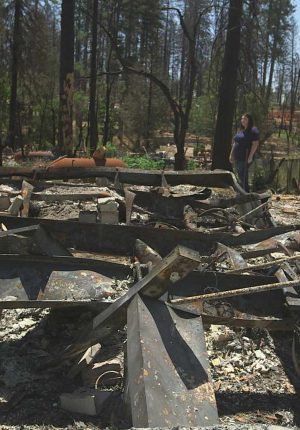
As global warming heads to 2 degrees Celsius, heat waves are on the rise, as well as droughts, fires and floods. Some cities are seeing the highest monthly temperatures in history. Ocean water is heating up, aquatic life is migrating north to more comfortable temperatures, impacting ocean-based industries such as lobster fishing. Heat blobs – flash heat waves in the ocean - are leading to toxic levels of algae and plankton. This episode tells first-hand stories of an east coast fishing community facing the end of an industry and an epic heat wave in Montreal. Part 8 of 10.
The air we breathe is in jeopardy with an increase in greenhouse gases, both polluting the air and trapping pollution under the smog. Industrial pollution leading to an airpocalypse is just the start. Methane frozen in permafrost is being released as the northern ice melts. And an increase in carbon dioxide – food for plants – means pollen is also on the rise. This episode explores the various causes of our compromised air. Part 9 of 10.
How are winters getting worse when the earth is getting warmer? The warming planet is heating more rapidly in the north, heating up the mass of arctic air called the Polar Vortex. A warmer Polar Vortex is in turn weakening the jet stream which normally serves to contain the arctic air. But now, the wobbly jet stream is allowing frigid arctic temperatures to travel south bringing with it things like nor’easters, epic blizzards, bomb cyclones and frost quakes. This episode follows the stories of storm chasers caught in blizzards, farmers livelihoods compromised by extreme cold and snow, as well as the consequences of cold on our infrastructure. Part 10 of 10.
Exploring the many different concepts of family in the natural world: getting together, the raising of cubs and chicks and how family bonds can determine an animal’s fate. Part 5 of 12.
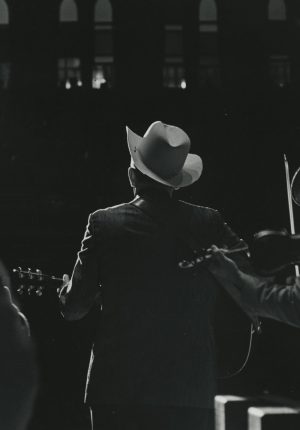
During a time of upheaval, country music reflects the changes in American society. Loretta Lynn writes and performs songs that speak on behalf of women everywhere. Charley Pride becomes a country star. Merle Haggard comes out of prison to become the “Poet of the Common Man.” Johnny Cash’s life descends into drug addiction, but he finds salvation through a landmark album recorded at Folsom Prison. Part 5 of 8.
With the Vietnam War intensifying, America is more divided than ever. Country music is not immune to the divisions. Kris Kristofferson abandons his military career, becomes a janitor in a Nashville studio, then a writer whose lyricism sets a new standard for country songs. Bob Dylan, the Byrds, and other non-country artists find Nashville a creative place to record. Part 6 of 8.
Definitions of country music are debated as never before, and the argument sparks off a vibrant era. Dolly Parton crosses over to mainstream success to become the most famous woman in country music. Willie Nelson finds creative freedom in Texas, and with Waylon Jennings launches the “Outlaw” movement. Emmylou Harris bridges folk and rock and country music and influences a new generation of artists. Part 7 of 8.
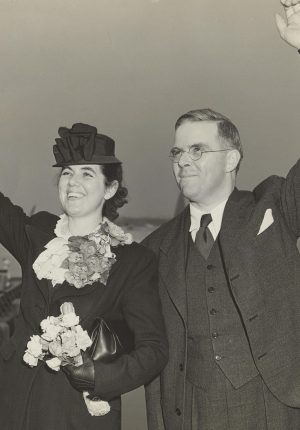
A film by Ken Burns that tells the story of Waitstill and Martha Sharp, a Unitarian minister and his wife from Wellesley, Massachusetts, who left their children behind in the care of their parish and boldly committed to multiple life-threatening missions in Europe. Over two dangerous years they helped to save hundreds of imperilled political dissidents and Jewish refugees fleeing the Nazi occupation across Europe.