18 Sep
19 Sep
20 Sep
21 Sep
22 Sep
23 Sep
24 Sep
25 Sep
26 Sep
27 Sep
28 Sep
29 Sep
30 Sep
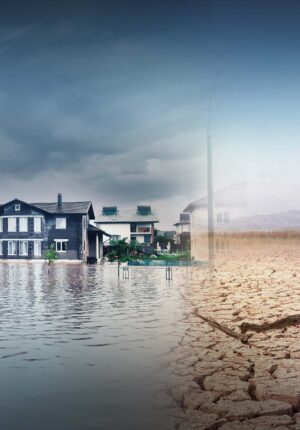
Maiya May visits the Isle de Jean Charles, Louisiana, one of the first communities in the U.S. to undergo a federally funded relocation due to climate change. She also learns about hurricanes from the Hurricane Hunters. Part 2 of 6.
This three-part series argues that the Stuarts, more than any other, were Britain's defining royal family. We tend to take today's modern United Kingdom for granted, but there was nothing inevitable about its creation. During the 17th century, the Stuarts grappled with the chaos of three separate kingdoms, multiple religions and civil war. Britain has not known a century like it and some of the questions this dynasty faced have not gone away. In this first episode, Clare Jackson looks at James VI and I's attempts to unite Scotland and England under the umbrella of his crown and persuade his subjects to feel more 'British'. Part 1 of 3.
This three-part series argues that the Stuarts, more than any other, were Britain's defining royal family. We tend to take today's modern United Kingdom for granted, but there was nothing inevitable about its creation. During the 17th century, the Stuarts grappled with the chaos of three separate kingdoms, multiple religions and civil war. Britain has not known a century like it and some of the questions this dynasty faced have not gone away. This second episode explores Charles I’s failure to understand the inherent religious instabilities across the three kingdoms, and how these differences in Britain led to civil war and his own execution. Part 2 of 3.
The final, dramatic act of the Stuart century saw the Stuarts fatally divided by religion: brother versus brother, and two daughters supporting the overthrow of their father. After Charles II's brother, the Catholic James VII and II, was deposed by protestant William of Orange in 1688, Britain became a constitutional monarchy. However, the so-called 1688 'Glorious Revolution' came at a price, as Scotland lost her sovereignty and became part of Great Britain in 1707, whilst Ireland had been reduced from a kingdom to a colony. The politics of resentment has continued to trouble Ireland until the present day. Part 3 of 3.
Anne Boleyn's sudden and violent downfall has captivated and fiercely divided historians, writers and amateur enthusiasts for centuries, thanks to its intoxicating elements of romance, power, sex, religion and political intrigue. But who was she really, and why did she have to go? This fascinating drama documentary examines the terrific controversy at the heart of her story. From Anne's arrest to her death on the scaffold, the film combines dramatic reconstruction with argumentative contributions from highly respected commentators - including Hilary Mantel, David Starkey, Philippa Gregory and Alison Weir, who all have their own distinctive take on Anne's fate. Loved and hated, scorned and respected in equal measure, how much was Anne Boleyn an agent of her own destruction and how much a casualty of the stark sexual politics of the Tudor court?
Elizabeth: In 1592, Elizabeth I visited Sudeley Castle where a spectacular garden was created. 500 years later, a team of archaeologists hunt for this lost gem. Part 1 of 6.
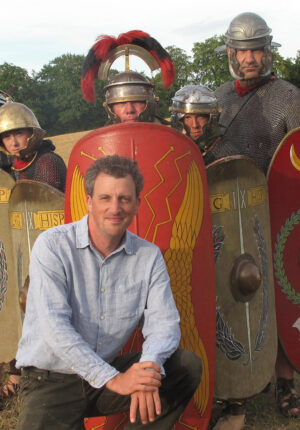
Romans: Silchester is one of the best-preserved Roman sites in Britain. Why did Rome's infamous emperor Nero stamp his mark on the town? Part 2 of 6.
Invincible: For more than 260 years, HMS Invincible lay at the bottom of the Solent. Now, archaeologists are diving beneath the waves to learn more about this game-changing ship. Part 3 of 6.
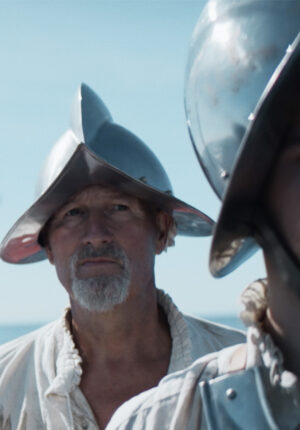
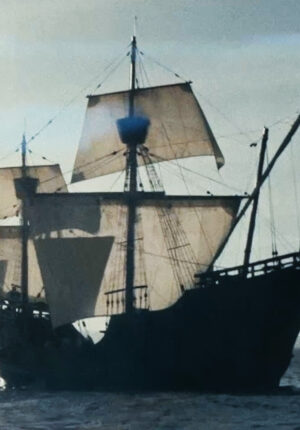
The accidental discovery of the New World by Christopher Columbus sparks an age of exploration for the Spanish empire, and a dark new chapter in the history of the Americas. Part 1 of 6.
Columbus' return voyage to the Americas begins with bloodshed when he discovers that the Spanish left behind at Hispaniola have been killed by the indigenous Taíno, a chain of brutal colonisation throughout the Caribbean begins. Part 2 of 6.
The ruthlessly ambitious Hernán Cortés travels deep into the Mexican interior to conquer one of the great empires in the Americas: the Aztecs. His victory cementing the subjugation and submersion of indigenous populations. Part 3 of 6.