4 Nov
5 Nov
6 Nov
7 Nov
8 Nov
9 Nov
10 Nov
11 Nov
12 Nov
13 Nov
14 Nov
15 Nov
16 Nov
Maiya May learns about the severe impacts of droughts and floods on agriculture and the alarming depletion of groundwater reserves. Despite these challenges, Maiya finds hope in innovative agricultural practices. Part 4 of 6.
We all know her characters, the incredible plot twists and the dramatic confrontations, but what do we know about the incredible mind of the woman behind them? We uncover some of the secrets of Agatha Christie's vivid imagination and shockingly dark mind.
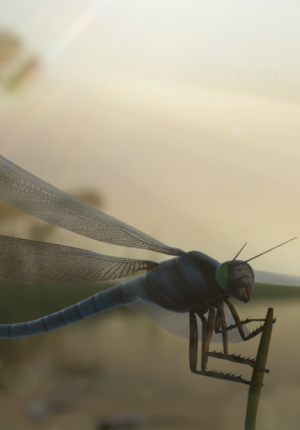
In the Late Carboniferous Period, predatory amphibians and giant arthropods ruled the swamps. But ancient seed plants and amniotes were evolving adaptations to drier climates. These will help them thrive on Pangea in the Permian Period. Part 1 of 6.
The first herbivorous vertebrates evolved on the side of the amniote family tree, leading to mammals. Alongside them come apex predators, like Dimetrodon. But the Early Permian Period ends in a mystery: is it an extinction or a fossil gap? Part 2 of 6.
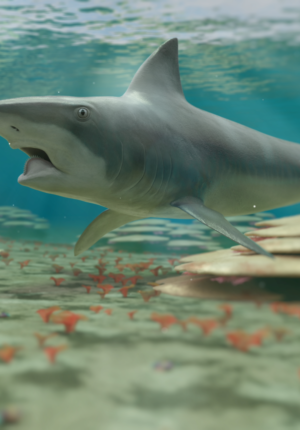
Life in the Middle Permian Period flourished. Reef complexes stretched for hundreds of kilometres in what’s now the Texas desert, while strange mammal-relatives and huge reptiles thrived on land. But this epoch ends in an extinction. Part 3 of 6.
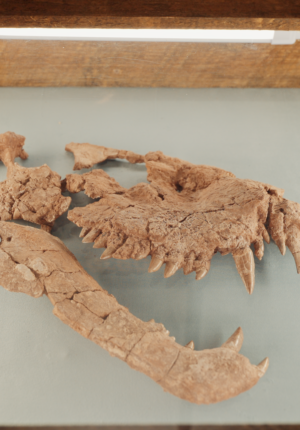
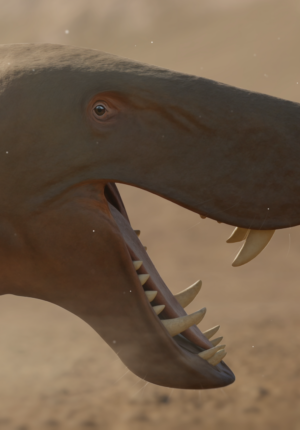
In the Late Permian Period, increasingly mammal-like traits were gradually emerging in our ancient relatives. The first sabre teeth and tusks evolved, and our ancestors, the cynodonts, appeared, all before the time of the dinosaurs. Part 4 of 6.
The Permian Period ended with the biggest mass extinction of all time; more than 80% of species vanished. It altered the course of evolution in ways that we can still feel. And it was caused by a rapidly changing climate. Part 5 of 6.
Around 250 million years ago, at the dawn of the Triassic Period, life on Earth was devastated. Eventually, the survivors of the Permian were replaced by new ecosystems. The age of reptiles was beginning. Part 6 of 6.
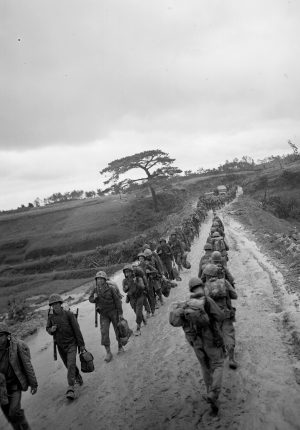
January 1944 to June 1944. American and British troops are pinned down at Anzio for months, while at Monte Cassino, the killing goes on and on. African-Americans, incensed at the segregation of the armed forces, put pressure on the military to make some changes. In May, allied soldiers at Cassino and Anzio resume their drive northward in Italy, liberating Rome on 4 June, but they let the retreating German army get away. A series by Ken Burns. Part 6 of 14.
6 June 1944: D-Day. In the early hours of 6 June 1944, the invasion of France begins. A million-and-a-half men take part. It is the bloodiest day in American history since the Civil War, though the Allies succeed in tearing a 45-mile gap in Hitler's vaunted Atlantic Wall. By day's end more than 150,000 men have landed on French soil, and more men, equipment and supplies are coming ashore every hour. A series by Ken Burns. Part 7 of 14.
June 1944 to August 1944. American and British troops in Normandy are bogged down in the hedgerows, while in the Pacific, the marines fight their costliest battle to date on the island of Saipan. Back home, dreaded telegrams from the War Department begin arriving at a rate inconceivable just one year earlier. But by mid-August, the Germans are in full retreat out of France, and on 25 August, after four years of Nazi occupation, Paris is liberated. A series by Ken Burns. Part 8 of 14.
Autumn 1944. In September of 1944, with their troops in Europe stalled on the German border having outrun their supply lines, Allied commanders gamble on a risky plan to drop thousands of airborne troops behind enemy lines in Holland. When the mission ends in disaster, it becomes painfully clear that the war in Europe will not end before winter. In the Pacific, on the island of Peleliu, the marines fight one of the most brutal campaigns of the war. A series by Ken Burns. Part 9 of 14.
Autumn 1944. In the late autumn of 1944 American soldiers suffer terrible losses when they are ordered into the forbidding and fiercely defended terrain of the Hürtgen Forest and the Vosges Mountains. In the Central Pacific, to the delight of audiences back home, General MacArthur returns to the island of Leyte. But months of bloody fighting lie ahead before the Philippine Islands, and the people imprisoned on them, can be liberated. A series by Ken Burns. Part 10 of 14.
How did a ragtag army defeat the most powerful army in the world to win American independence? Discover the key military technologies that helped propel the colonies to victory, from the musket to the first military submarine. From NOVA.